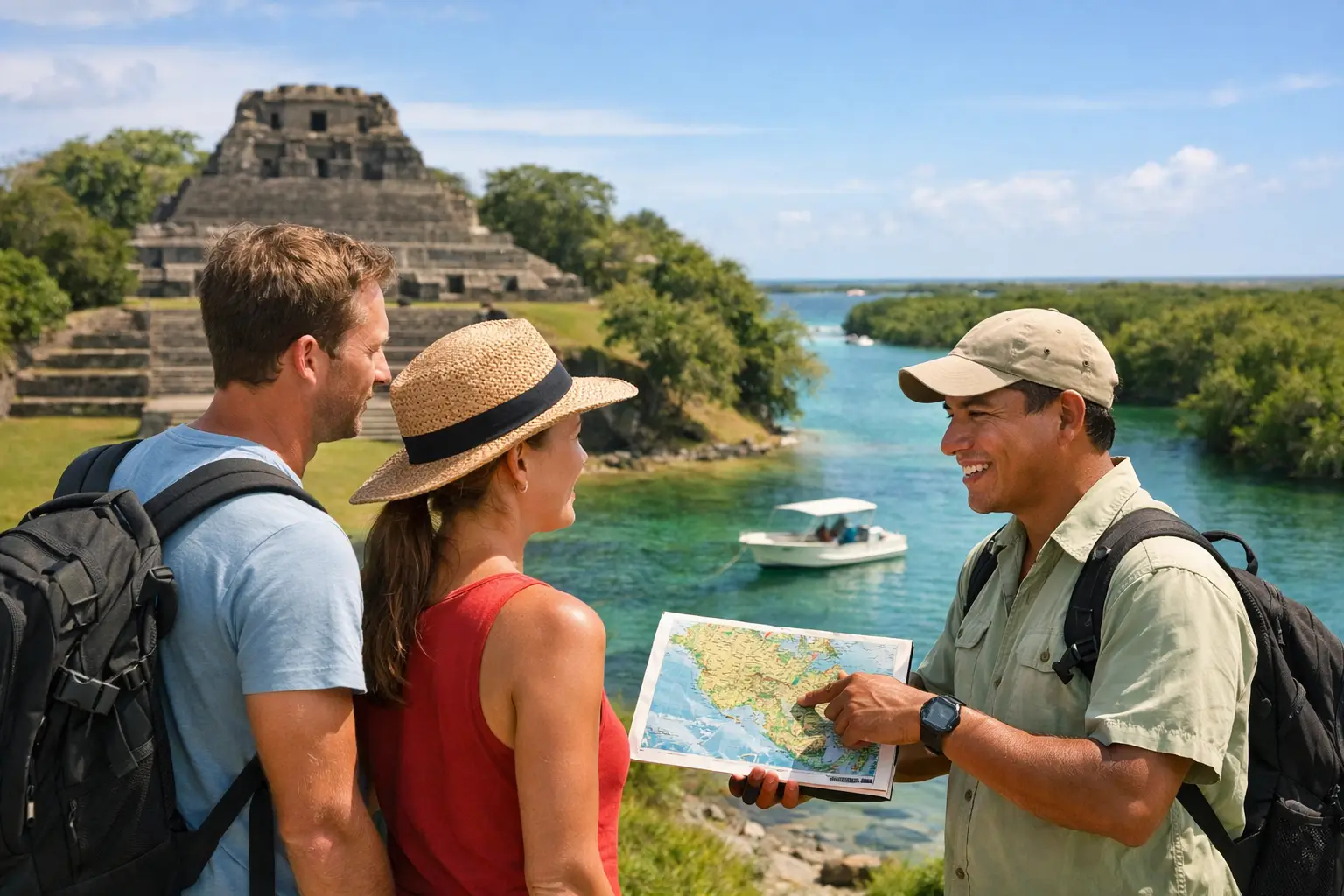
The first glimpse of Belize’s turquoise water can make a boat day feel effortless: a short ride to Hol Chan Marine Reserve, a beach stop on Caye Caulker, or a river journey toward Lamanai’s ancient temples. But before booking, travelers naturally ask: are Belize boat tours safe? For most visitors, the answer is yes when they choose an established, properly licensed operator, follow crew instructions, and respect that Caribbean weather and water conditions can change.
A well-run boat tour is one of the most rewarding ways to experience Belize. It is also a real on-the-water activity, not a theme-park ride. The safest experience comes from matching the trip to the conditions, your comfort level, and an operator that treats preparation as seriously as the adventure.
Are Belize Boat Tours Safe With a Professional Operator?
Belize has a long-standing marine tourism culture, from snorkeling trips around the barrier reef to water taxis, fishing charters, island transfers, and river tours. Experienced local captains know the channels, seasonal weather patterns, reef conditions, and the practical details that make a day on the water run smoothly.
That local knowledge matters. Reef routes can have shallow patches, changing visibility, boat traffic, and chop that may not be obvious to a first-time visitor. A qualified captain reads the conditions and adjusts the plan when needed, whether that means changing a snorkeling site, taking a more protected route, delaying departure, or canceling a trip when the weather is not suitable.
No tour company can promise perfectly flat water or guarantee wildlife sightings. What a professional operator can provide is a thoughtful safety process, clear communication, suitable equipment, and a crew that puts guest well-being ahead of sticking rigidly to an itinerary.
What a Safe Belize Boat Tour Should Include
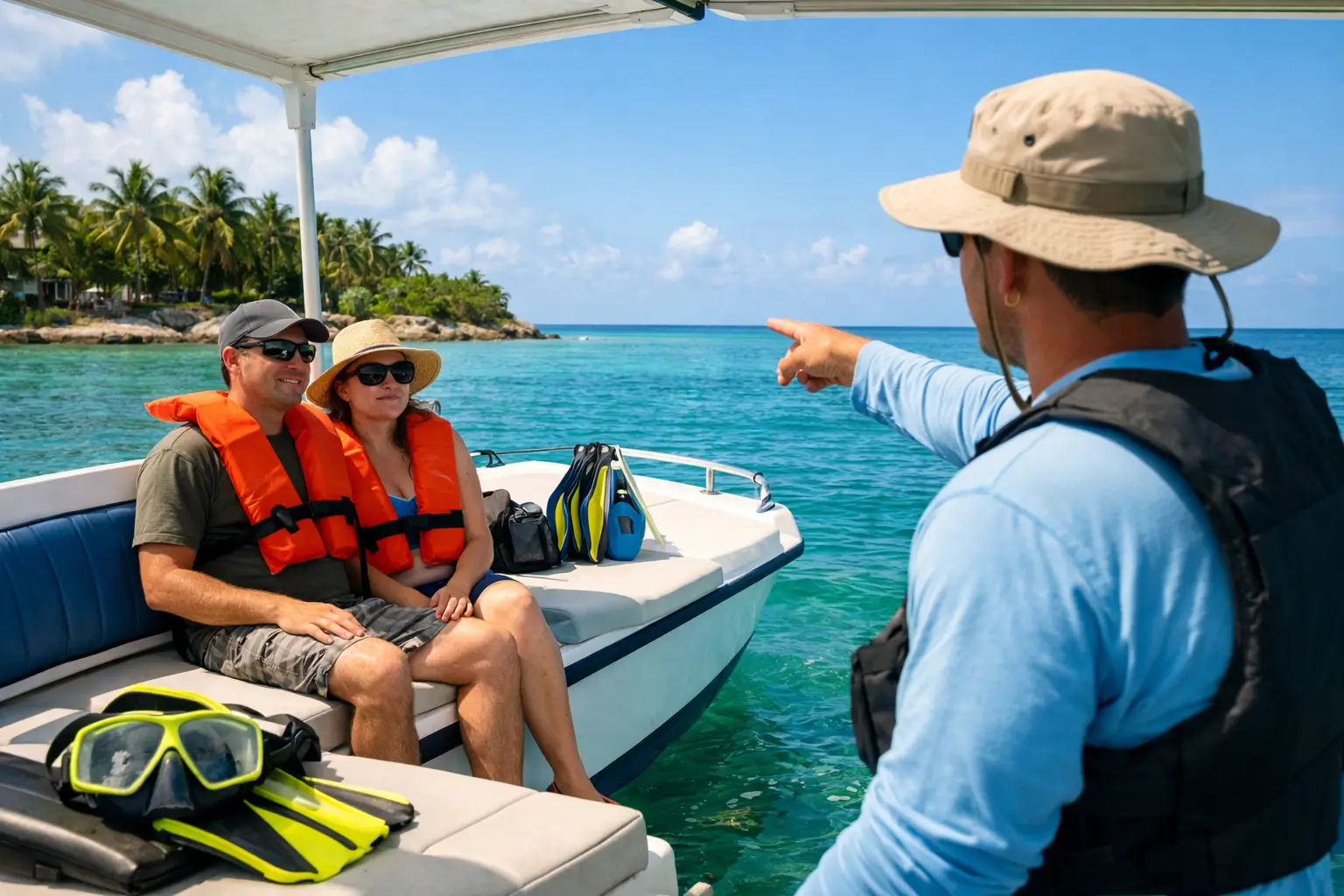
Before you book, look beyond beautiful photos and a low price. Ask how the operator manages safety from dock to return. Reputable tours should have life jackets available for every guest and make clear where they are stored and how to use them. Children should be fitted with appropriately sized life jackets, not simply handed an adult vest.
The boat itself should look cared for, with stable seating, shade where appropriate, secure boarding access, and a captain who does not overload the vessel. Snorkeling tours should also provide or require flotation support when needed, explain the site before guests enter the water, and keep the group within a manageable area.
A responsible crew gives a briefing before departure. It does not need to be long, but it should cover where to sit while the boat is moving, how to hold on in rougher water, where life jackets are located, what to do when entering or exiting the water, and how to communicate if you feel unwell or uncomfortable.
For river tours, safety looks slightly different. The crew should be familiar with changing river levels, dock conditions, wildlife etiquette, and the pace of the journey. A boat ride to Lamanai, for example, is often part of the experience itself, with birds, jungle scenery, and glimpses of local life along the New River. That enjoyment is best supported by a captain who understands the route and does not rush the day.
Weather Is the Biggest Variable
The weather is usually the deciding factor in whether a Belize boat tour feels calm, bumpy, or needs to be rescheduled. Trade winds can create chop on open-water crossings, particularly between the mainland and the cayes. Afternoon showers are common in some seasons, while tropical systems and stronger wind forecasts may require changes to planned routes.
A little rain does not automatically make a trip unsafe. Many Belize days include a quick shower followed by sunshine. Wind, wave height, lightning, and visibility are often more relevant than rain alone. A good operator monitors conditions and communicates early if the itinerary needs to change.
Be cautious of any company that promises a departure regardless of conditions. Flexibility is a safety feature. If a captain says the sea is too rough for a planned reef stop, that decision protects the group and often leads to a better alternative than forcing an unpleasant ride.
Travelers visiting during hurricane season should also consider trip protection and leave room for itinerary flexibility. Major weather events are not everyday occurrences, but they are part of Caribbean travel planning. Booking with a responsive operator can make a meaningful difference if schedules shift.
How to Choose a Tour You Can Trust
Start with the basics: choose a Belize Tourism Board-licensed tour provider or ask directly about licensing and insurance. Look for recent guest reviews that mention the captain, guides, equipment, communication, and how the company handled conditions. Specific feedback is more useful than a simple five-star rating.
You should also know exactly what you are booking. Ask whether transportation, park fees, snorkeling gear, lunch, water, and life jackets are included. Confirm the departure point, expected duration, group size, and whether the tour involves a fast open-water crossing or a gentler river route. Clear answers before you pay are a strong sign of an organized operation.
Private and small-group tours can be especially appealing for families, couples, and guests who prefer a more personal pace. They may allow more room to discuss children’s needs, swimming confidence, dietary preferences, or a request to spend less time in choppier open water. They are not automatically safer than larger tours, but personalized attention can improve comfort and communication.
RAS Tours Belize plans guided experiences with local coordination and guest support, helping travelers spend less time sorting through logistics and more time enjoying the journey. For any provider you choose, responsive pre-trip communication is worth as much as a polished itinerary.
Be Honest About Your Own Comfort Level
Even a carefully operated boat tour may not suit every traveler on every day. If you are prone to motion sickness, tell the tour team before departure and consider taking your preferred motion-sickness remedy as directed by your medical provider. Sit where the captain recommends, stay hydrated, and keep your eyes on the horizon during open-water travel.
Families should ask about the minimum age for snorkeling, the ride length, shade, restroom availability, and whether young children can remain on board with an adult during a water stop. A child who loves a calm lake at home may find a fast boat ride or mask-and-snorkel setup unfamiliar at first. A patient guide and realistic schedule make a big difference.
If you are pregnant, have a heart condition, limited mobility, recent surgery, or another health consideration, speak with your healthcare provider and the operator before booking. Boarding can involve stepping from a dock to a moving boat, and sea conditions may make that more demanding than expected. There are often wonderful Belize experiences that require less time on open water, including cultural outings, wildlife encounters, and archaeological tours.
Safe Snorkeling Starts Before You Enter the Water
Belize’s reef is a highlight for good reason. Clear water, colorful coral, nurse sharks, rays, sea turtles, and schools of fish can create memories that last long after the vacation ends. Yet snorkeling is safest when guests understand that the ocean is not a pool.
Listen closely to the guide’s instructions on currents, boat position, marine life, and reef protection. Stay with your group, use a flotation device if you are not a confident swimmer, and never chase or touch wildlife. Keep fins away from coral, which is fragile and easily damaged. If you feel tired, anxious, or cold, signal the guide early rather than trying to push through.
For beginners, choose a tour that welcomes first-time snorkelers and allows time for a proper equipment check. A good guide will help adjust a mask, explain how to clear a snorkel, and make sure you are comfortable before moving away from the boat.
Questions Worth Asking Before You Book
A few direct questions can prevent surprises: Is the operator licensed? Are life jackets available for all guests? How experienced is the captain on this route? What is the weather cancellation or rescheduling policy? Is the tour appropriate for children or first-time snorkelers? What happens if the sea is too rough for the original plan?
The answers should feel straightforward, not evasive. You are not being difficult by asking. You are choosing the kind of informed, comfortable travel experience that lets everyone focus on Belize’s extraordinary water, wildlife, and coastal beauty.
Choose a team that welcomes those questions, pack sun protection and a dry bag, and give the captain’s guidance your full attention. Then let the journey do what Belize boat days do best: carry you from the everyday to places that feel wonderfully, vividly remote.