A perfect Belize beach morning can look very different from one month to the next. If you are asking when is Belize seaweed season, the practical answer is that sargassum is most likely from roughly March through October, with the heaviest arrivals often occurring between May and August. But that is only the starting point. Wind, currents, the location of your hotel, and even the previous night’s weather can change what the shoreline looks like on any given day.
For travelers planning a Belize vacation around swimming, snorkeling, and postcard-worthy beach time, understanding the pattern helps you set the right expectations – and choose an itinerary that keeps the adventure front and center.
When Is Belize Seaweed Season?
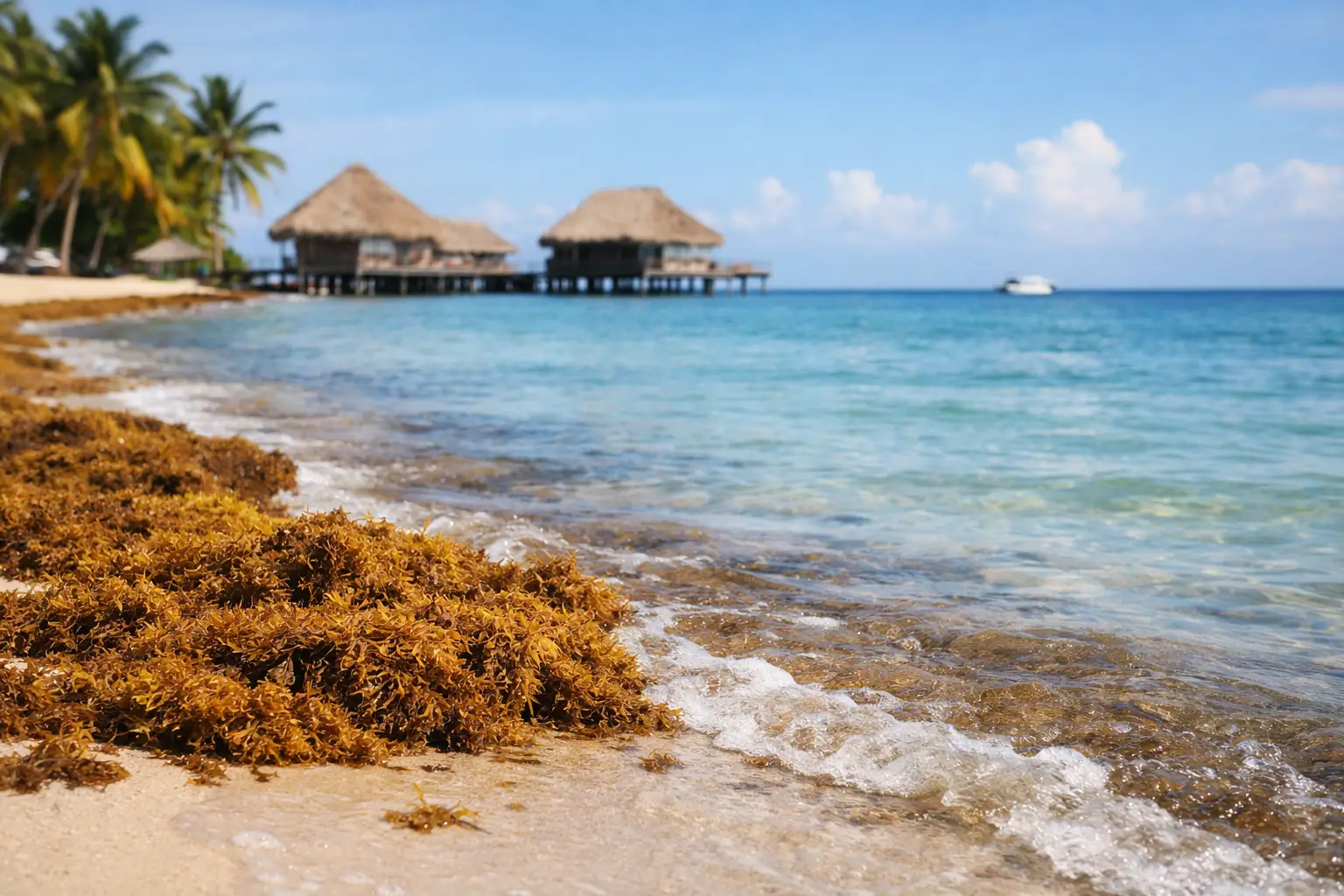
Belize’s seaweed season generally follows the wider Caribbean sargassum pattern. Floating mats of brown seaweed travel through the Caribbean Sea and can wash onto Belize’s coast and cayes when currents and winds line up. Arrivals may begin in spring, become more common in early summer, and continue into fall.
The most active period is usually May through August, although conditions can remain variable through October. Some years bring relatively light amounts; other years produce heavy blooms that affect particular beaches for days or weeks. There is no calendar date that guarantees a seaweed-free shore.
The good news is that Belize is not one long, uniform beach. Conditions can differ dramatically between Ambergris Caye, Caye Caulker, Placencia, Hopkins, and offshore snorkeling sites. A beach with visible sargassum in the morning may be much improved after a change in wind, while a boat ride offshore can lead to wonderfully clear water.
The Best Time to Visit for Lower Seaweed Risk
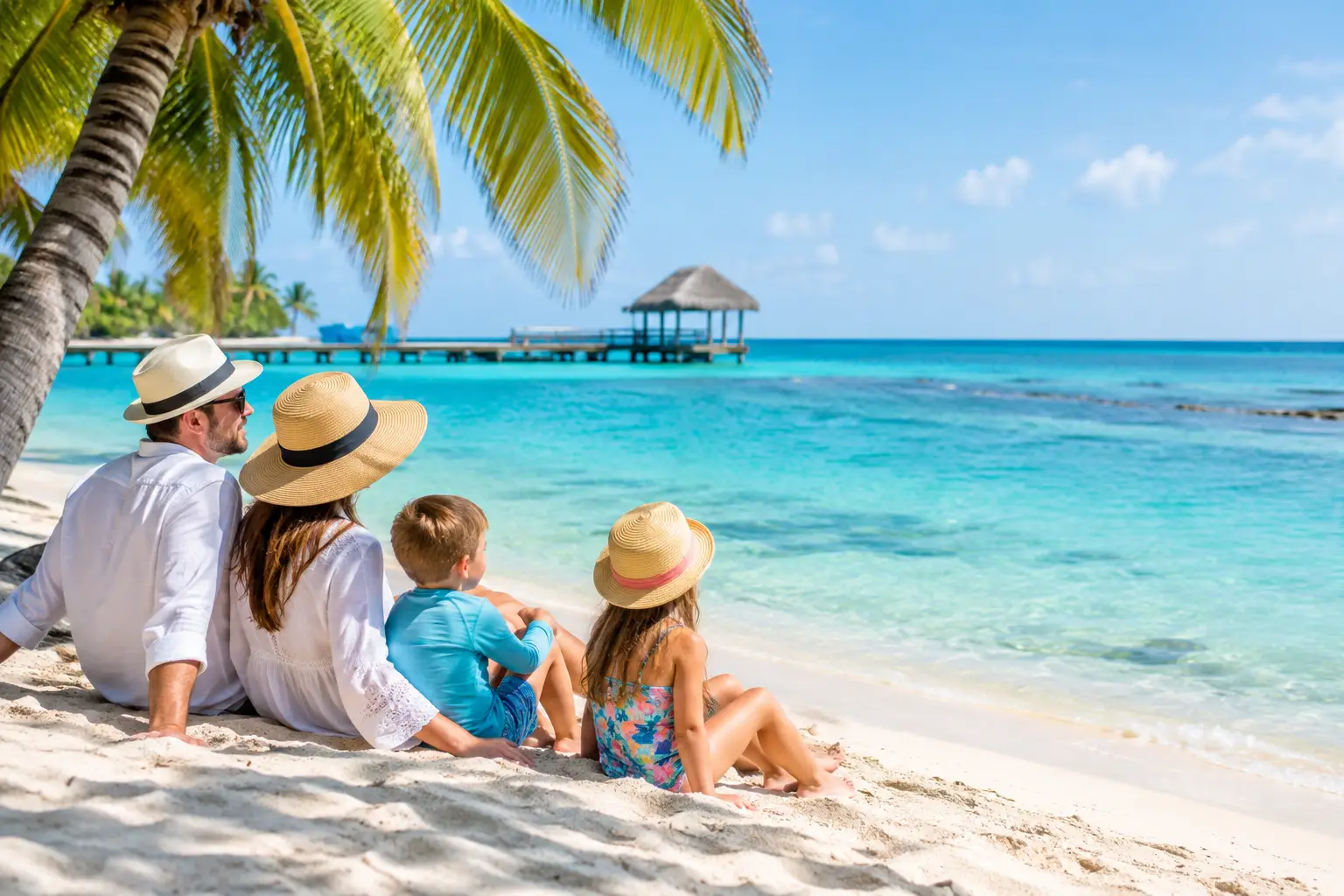
If a clear shoreline is your top priority, late November through February is typically the safer window. These months often bring less sargassum, along with Belize’s popular dry-season weather. December through April is also a favorite period for travelers seeking sunny days, comfortable temperatures, and easy access to major attractions.
That said, the dry season is not a promise of perfect beach conditions. A passing cold front can stir the water, and local wind direction still matters. It is also Belize’s busiest travel period, so popular island accommodations and small-group excursions may book earlier.
March and April can be a smart middle ground for some guests. You may enjoy dry-season weather and fewer crowds than peak holiday weeks, but seaweed activity can begin to increase. For travelers who want to split their time between the coast, Maya sites, jungle adventures, and culture, that trade-off is often well worth it.
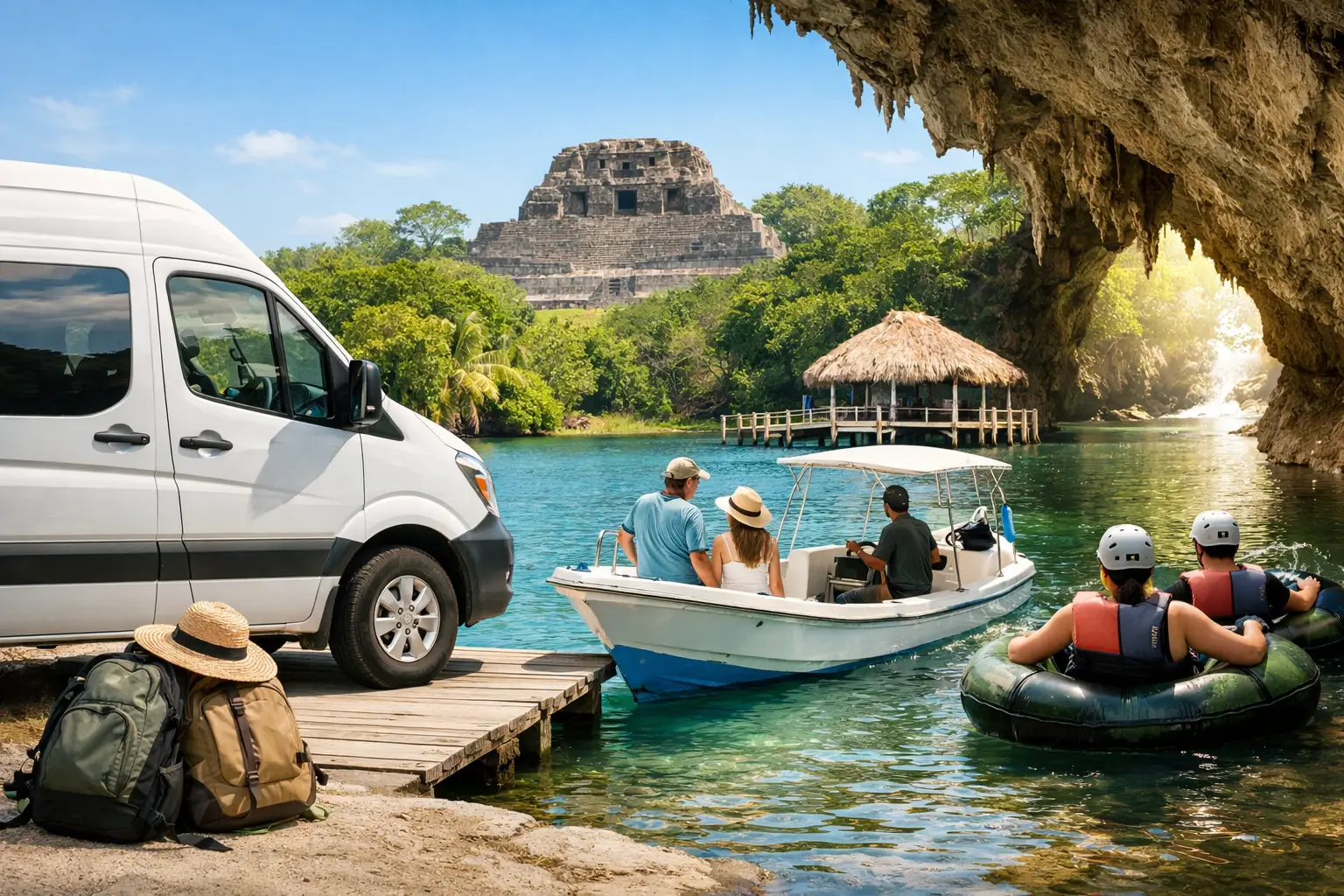
From May through October, plan with flexibility rather than avoiding Belize altogether. This period can offer lush landscapes, excellent wildlife encounters, warm water, and appealing value at some accommodations. If your dream trip includes Lamanai, Altun Ha, cave adventures near San Ignacio, wildlife, food, and reef excursions, seaweed at one beach does not need to define the entire vacation.
Where Seaweed Is Most Noticeable in Belize
Sargassum is most noticeable along shorelines facing the open Caribbean, especially when onshore winds push floating seaweed toward land. Ambergris Caye and Caye Caulker can experience seasonal buildup, although cleanup efforts at individual resorts and beach clubs vary widely. The same is true along mainland beach destinations such as Placencia and Hopkins.
It helps to separate the appearance of a beach from the quality of the whole marine experience. Seaweed may collect in a narrow strip at the waterline while the water farther from shore remains inviting. In other cases, a resort may clear its immediate beachfront daily, making a meaningful difference in comfort even during an active sargassum week.
Belize’s barrier reef is another advantage. Many signature snorkeling and diving experiences take place away from the shore. Sites around Hol Chan Marine Reserve, Shark Ray Alley, and other offshore areas are reached by boat, so their conditions are not determined solely by what has washed up at your hotel beach. Visibility still depends on weather, tide, and recent rain, but an experienced local operator can select the best available route for the day.
Seaweed, Seagrass, and Reef Conditions Are Not the Same
Travelers sometimes use “seaweed” to describe anything growing or floating near a Belize beach, but there is an important difference. Seasonal sargassum is the floating brown algae that can accumulate along shorelines. Seagrass, on the other hand, grows underwater in shallow areas and is a natural part of Belize’s coastal ecosystem.
Seagrass beds provide habitat for marine life, including fish, turtles, and manatees. They are not a sign that a beach is unclean. Sargassum is also natural, but when large amounts collect and begin to break down on shore, it can create an odor and make beach entry less pleasant. That is the situation most vacation planners are trying to avoid.
Coral reef conditions are a separate consideration. Calm seas, responsible boating, reef-safe practices, and well-managed visitor activity all influence the quality of your time on the water. A thoughtful itinerary should prioritize the right excursion for the day’s conditions instead of forcing one fixed plan.
How to Plan a Belize Beach Trip During Seaweed Season
The best strategy is to build variety into your vacation. Do not place every expectation on swimming directly outside your room each day. Choose a trip that balances island time with guided snorkeling, inland culture, wildlife, archaeological sites, and relaxing resort time.
Before booking, ask your accommodation how it handles sargassum when it arrives. Do staff remove it from the beach? Is there a dock for easy boat departures? Are there pools, beach clubs, or other comfortable places to relax if shoreline swimming is not ideal? These are practical questions, not fussy ones, and reputable properties will answer clearly.
It is also wise to leave room in your schedule. If you have several days on Ambergris Caye or Placencia, you can move a snorkeling trip to the clearest weather window rather than hoping one specific afternoon delivers perfect conditions. Private and small-group tours are especially helpful because they can offer a more personal approach to timing, pickups, and the day’s best options.
Pack water shoes if you prefer extra comfort while entering the ocean, along with a lightweight cover-up, reef-safe sun protection, and a dry bag for boat days. Most importantly, bring a Belize mindset: the country rewards travelers who make space for discovery beyond a single stretch of sand.
Does Seaweed Affect Belize Snorkeling Tours?
Sometimes, but not always. Heavy sargassum near a dock can make boarding less scenic or less convenient. Strong winds associated with changing conditions can also create choppy seas. Yet a seaweed-covered beach does not automatically mean poor snorkeling offshore.
Tour captains and guides watch conditions closely and know which areas are most protected on a given day. They may adjust departure times, choose calmer sites, or recommend an alternative activity when weather is not cooperating. This is where local planning makes a genuine difference. Rather than spending your vacation trying to decode a forecast, you can focus on the experience while a knowledgeable team handles the logistics.
RAS Tours Belize can help travelers shape a balanced Belize itinerary that includes the reef without overlooking the country’s extraordinary inland and cultural experiences. A well-planned trip has more than one highlight waiting for you.
A Better Way to Think About Timing Your Belize Vacation
The best month for Belize depends on what matters most to you. Choose December through February if lower seaweed risk and classic dry-season beach weather are your priorities. Consider March or April for a strong blend of weather and flexibility. Visit during summer or early fall if you are comfortable with changing coastal conditions and want Belize’s green season, warm water, and a broader mix of experiences.
No forecast can promise an untouched shoreline months in advance, especially during the Caribbean sargassum season. What you can plan is a vacation with enough range that every day feels rewarding. Whether the water calls you to the reef, the jungle leads you toward ancient temples, or a local meal turns into the story you remember most, Belize has a remarkable way of giving travelers more than they came for.