Belize’s reef does not reward overpacking. It rewards travelers who arrive comfortable in the water, protected from the sun, and ready to listen when a local guide points out a nurse shark resting below or a sea turtle gliding past the coral. To prepare for Belize snorkeling, think beyond a swimsuit: your choices before departure can make the difference between a rushed boat day and a relaxed, unforgettable experience.
Whether you are planning a day at Hol Chan Marine Reserve from San Pedro, snorkeling near Caye Caulker, or adding a reef excursion to a Belize vacation package, a little preparation helps you spend more time enjoying the Caribbean and less time worrying about logistics.
Choose the Right Belize Snorkeling Experience
Belize offers snorkeling for many comfort levels, but not every site feels the same. Hol Chan Marine Reserve is a favorite for first-time and returning snorkelers because its protected waters, abundant marine life, and guided routes make the experience approachable. Shark Ray Alley is especially memorable for travelers hoping to see southern stingrays and nurse sharks in clear, shallow water.
More remote sites can offer dramatic coral formations and fewer boats, yet they may involve longer transfers, deeper water, or conditions that are better suited to confident swimmers. Families with younger children, travelers who are nervous in open water, and guests who have not snorkeled recently often enjoy a guided small-group trip with clearly explained entry points and attentive crew support.
Ask about the day’s conditions rather than choosing solely by photos. Wind, currents, visibility, and season can influence which stops are most enjoyable. A knowledgeable local operator can adjust the plan when needed and recommend a tour that suits your group instead of pushing everyone into the same itinerary.
Get Comfortable in the Water Before You Go
You do not need to be an expert swimmer to enjoy many Belize snorkeling tours, but basic water confidence matters. You should be comfortable floating, kicking gently, and putting your face in the water while breathing through a snorkel. Life vests are commonly available and can make the day far more relaxing, even for strong swimmers.
If you are new to snorkeling, practice in a pool before your trip. Put on a mask and snorkel, place your face in the water, and breathe slowly for a few minutes. Try clearing a small amount of water from the snorkel by exhaling firmly. That simple practice can prevent the anxious first moments that keep travelers from enjoying an otherwise beautiful reef.
A well-fitting mask is more important than expensive gear. It should create a gentle seal around your face without being painfully tight. Most guided tours provide sanitized equipment, but bringing your own mask can be worthwhile if you know exactly what fits you best. Prescription-mask users should arrange equipment in advance or consider disposable corrective lenses if appropriate.
What to Pack for a Day on the Reef
The Belizean sun is intense on the water, and boat rides add wind that can make it easy to miss how much sun exposure you are getting. Wear a rash guard or lightweight long-sleeve swim shirt for reliable coverage. It is a practical choice that also reduces how much sunscreen you need near the reef.
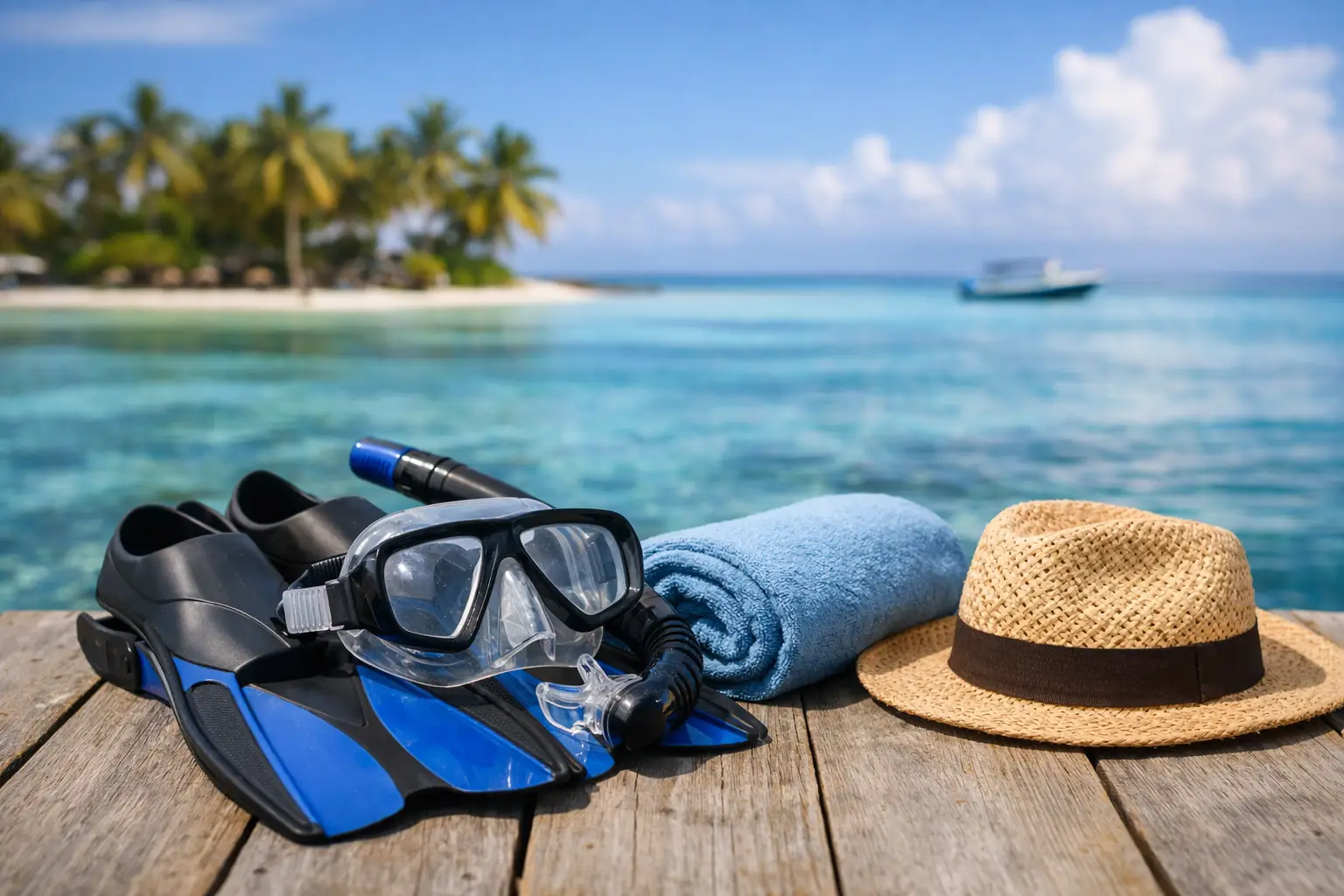
Bring a towel, sunglasses with a secure strap, a hat for time on the boat, and a dry bag for valuables. A reusable water bottle is useful, though many operators provide drinking water. If you are prone to motion sickness, take your preferred remedy before boarding, following its directions, since it works best before you feel unwell.
Use reef-safe sun protection thoughtfully. Physical coverage is the best first line of defense. If you use sunscreen, choose a reef-conscious option and apply it well before entering the water so it has time to absorb. Avoid sprays on a moving boat, where product can drift into the sea or onto other guests.
For a comfortable, organized boat day, pack these essentials:
- Swimsuit, rash guard, and a dry change of clothes
- Reef-conscious sunscreen, hat, and polarized sunglasses
- Towel, reusable water bottle, and dry bag
- Motion-sickness medication if you need it
- Underwater camera only if you can secure it with a wrist strap or float
Leave jewelry, unnecessary cash, and delicate electronics at your hotel whenever possible. Saltwater and busy boat decks are not friendly to loose valuables.
Plan Around Weather, Season, and Your Itinerary
Belize can be a wonderful snorkeling destination year-round, but conditions vary. The dry season, generally from late November through April, often brings sunny weather and popular travel periods. The wetter months can still offer excellent snorkeling, though afternoon showers, wind, and changing sea conditions are more likely.
Water visibility is never guaranteed, even on a bright day. A little flexibility goes a long way. Avoid scheduling a major snorkeling excursion immediately before a flight, especially if you are staying on the mainland and need to coordinate water taxis or domestic transfers. Give yourself room to enjoy the experience without watching the clock.
Travelers staying in San Pedro or Caye Caulker can often reach reef sites quickly. Guests based in Belize City, Placencia, or inland destinations such as San Ignacio should account for travel time. This is where a coordinated itinerary is valuable: transportation, departure timing, and tour selection should work together rather than compete for the same day.
Follow Reef Etiquette That Protects the Experience
The Belize Barrier Reef is alive, fragile, and far more rewarding when observed respectfully. Coral can look like rock from above, but it is made of living animals that can be damaged by a hand, fin, or knee. Keep your body horizontal in the water, use slow kicks, and maintain plenty of space from coral heads.
Never touch, chase, feed, or attempt to hold marine life. Nurse sharks and rays at Shark Ray Alley may be accustomed to people, but they are still wild animals. Let your guide set the appropriate distance and follow instructions during every water entry and exit.
Good snorkeling is quiet observation. You may see parrotfish grazing on coral, schools of blue tangs moving through the water, spotted eagle rays passing in the distance, or a curious barracuda holding still in the blue. The less you interfere, the more natural behavior you are likely to witness.
Prepare for Belize Snorkeling With the Right Guide
A guided tour is not just a boat ride to pretty water. The right crew helps with gear fitting, gives a clear safety briefing, monitors changing conditions, and knows where marine life is often found. They can also point out details many first-time visitors would miss, from tiny juvenile fish tucked into seagrass to the difference between healthy coral and coral under stress.
Before booking, confirm the tour duration, meeting point, what equipment is included, whether lunch or drinks are provided, and how many snorkeling stops are planned. Ask whether the experience is suitable for children or non-swimmers in your group. Clear answers are a good sign that the operator takes guest care seriously.
Private and small-group options can be especially appealing for couples, families, and travelers celebrating a special occasion. They provide more flexibility with pace and more personal attention in the water. RAS Tours Belize can help travelers coordinate guided marine experiences within a larger Belize itinerary, so the day feels easy from pickup to return.
Eat, Hydrate, and Pace Yourself
A light breakfast before departure is usually better than heading out on an empty stomach. Choose something familiar and easy to digest, then drink water throughout the morning. Snorkeling feels leisurely, but sun, saltwater, swimming, and boat travel can be surprisingly tiring.
Avoid excessive alcohol before a snorkeling trip. It affects hydration, balance, judgment, and your ability to respond calmly in the water. Save the celebratory drink for after the boat returns and you can trade stories about the day’s sightings.
If you feel tired, cold, or uneasy while snorkeling, tell your guide right away. There is no prize for staying in the water longer than you want to. A few calm minutes floating near the boat can be just as meaningful as covering every inch of the site.
Belize snorkeling is at its best when you arrive prepared enough to forget the preparation. Pack smart, respect the reef, choose a crew you trust, and leave room for the unexpected moment that no itinerary can promise – perhaps a turtle surfacing beside the boat or sunlight flickering over a school of fish below.